Thickened Toenail Treatment
Thickened toenails are a common foot condition that can affect people of all ages, although they become more common as we get older. Nails may become thick, discoloured, brittle, or difficult to cut, and in some cases they can cause discomfort when wearing shoes or walking.
At Sussex Total Foot Care, we provide professional assessment and treatment to reduce nail thickness, relieve discomfort, and identify the underlying cause of the problem.
What Are Thickened Toenails?
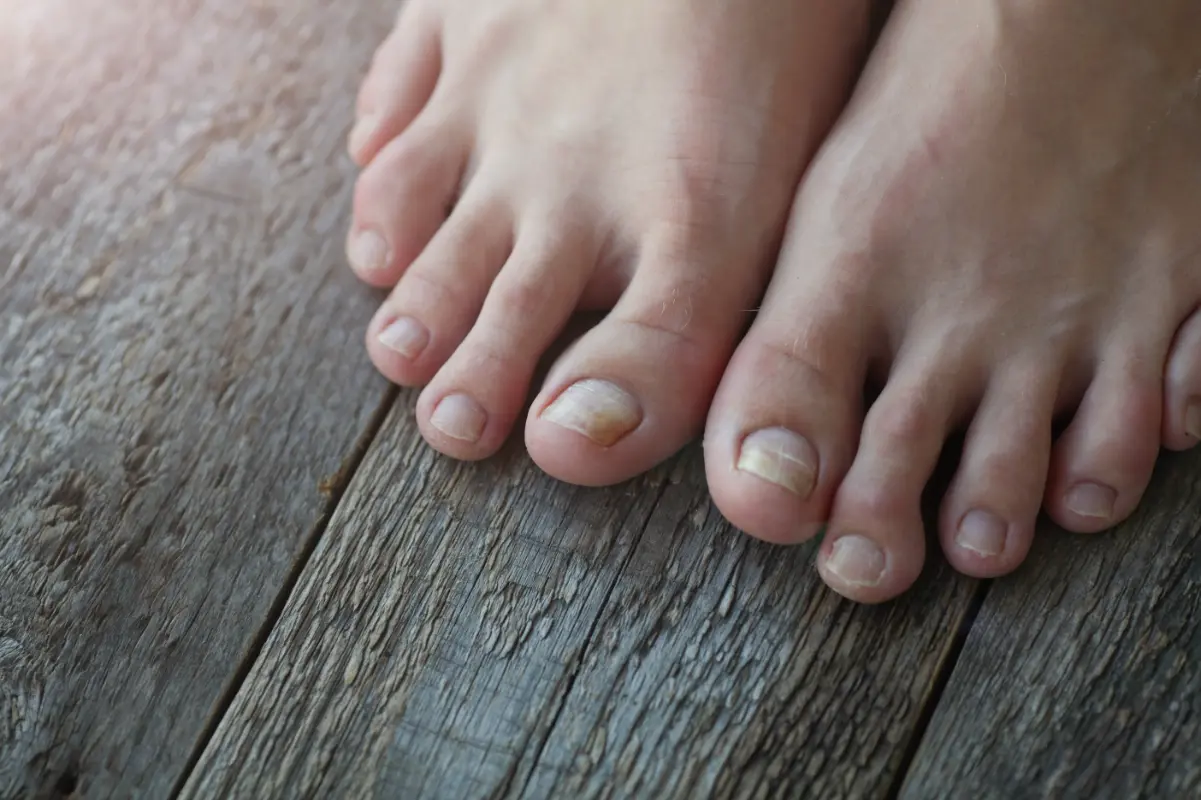
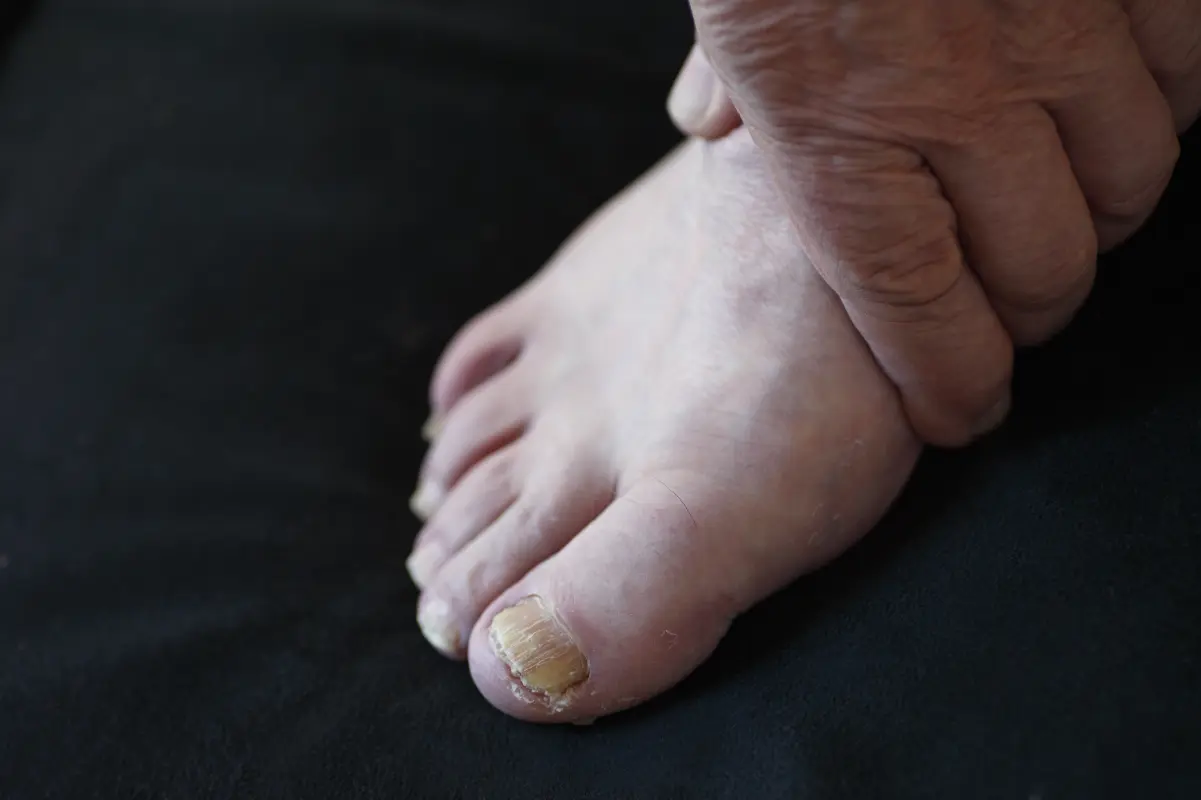
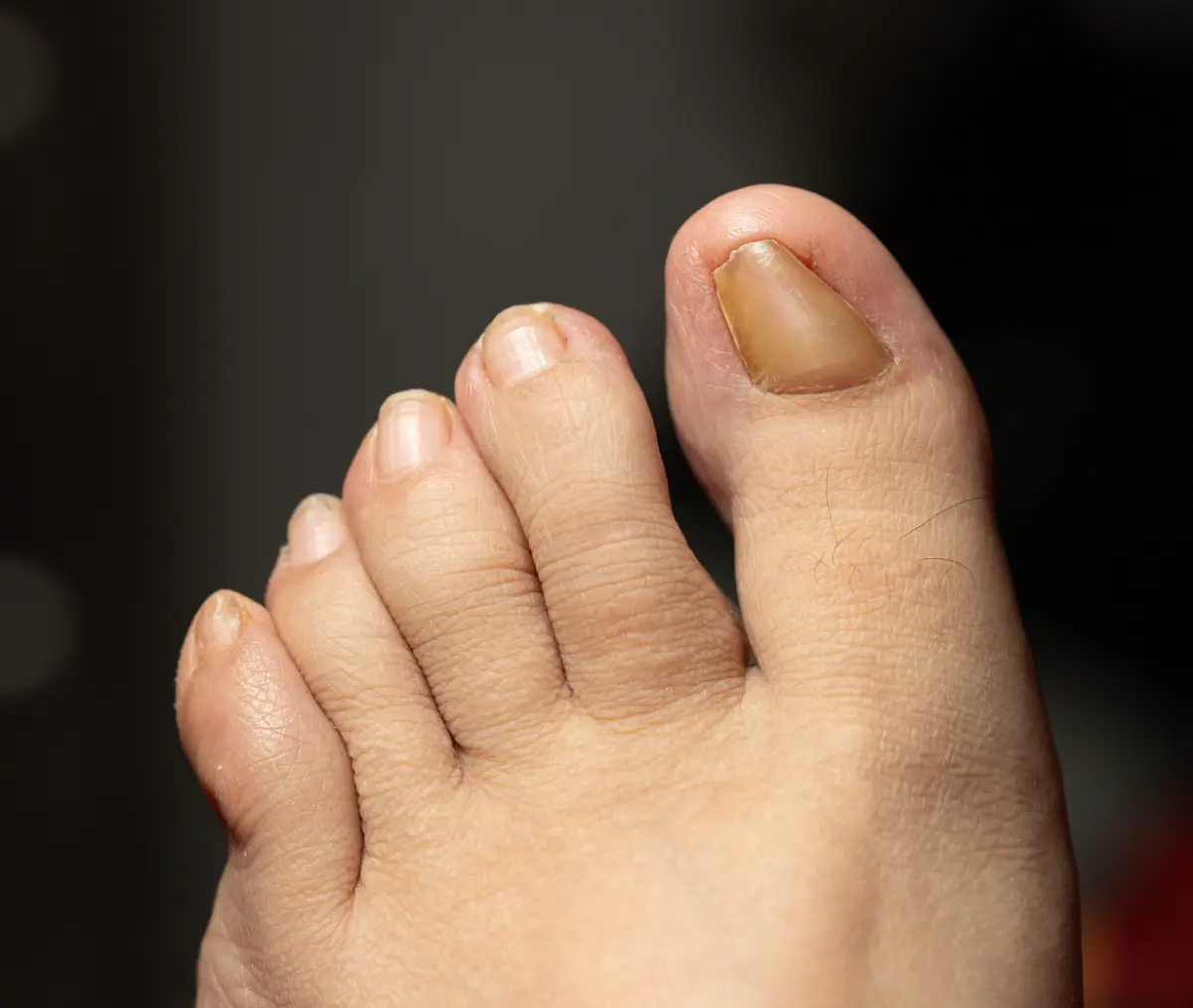
A healthy toenail is smooth, clear, and relatively thin. When a nail becomes thickened, it often loses its normal appearance and may become yellow, white, brown, or opaque. The nail may also become brittle, crumbly, or distorted in shape.
One or several toenails can be affected, with the big toenail being the most commonly involved.
What Causes Thickened Toenails?
There are several reasons why a toenail may become thickened. Common causes include:
- Repeated trauma from walking, running, or sport
- Poorly fitting footwear
- Fungal nail infections
- The natural ageing process
- Previous injury to the nail
- Skin conditions such as psoriasis or eczema
- Certain underlying medical conditions
Sometimes, thickened nails develop gradually over many years without a single obvious cause.
Symptoms
You may notice:
- Thick, difficult-to-cut toenails
- Yellow, white, or brown discolouration
- Brittle or crumbly nails
- Misshapen or curved nails
- Pain or pressure inside footwear
- Build-up of debris beneath the nail
- Nails catching on socks or bedding
If left untreated, severely thickened nails can become increasingly uncomfortable and may contribute to pressure on the surrounding skin.
How Are Thickened Toenails Diagnosed?
Your podiatrist will examine your toenails and discuss your medical history, footwear, and any previous injuries.
If a fungal infection is suspected, we may recommend laboratory testing before starting antifungal treatment. This helps ensure the most appropriate treatment is chosen, as not all thickened nails are caused by fungus.
Professional Treatment
Treatment depends on the underlying cause of the thickened nail.
Your podiatrist may recommend:
- Professional nail reduction using specialist instruments
- Safe trimming and thinning of thickened nails
- Advice on footwear to reduce pressure
- Guidance on nail care at home
- Investigation for possible fungal infection
- Referral for prescription treatment where appropriate
- Ongoing routine podiatry to keep nails comfortable
Regular reduction of thickened nails can significantly improve comfort, particularly for patients who struggle to cut their own nails safely.
Can Thickened Toenails Be Prevented?
While not all cases can be prevented, you can reduce your risk by:
- Wearing properly fitting footwear
- Keeping toenails trimmed straight across
- Treating fungal infections promptly
- Keeping feet clean and dry
- Wearing suitable footwear during sport
- Avoiding repeated trauma to the toes
Regular podiatry appointments can also help maintain healthy nails and prevent complications.
When Should You See a Podiatrist?
You should seek professional advice if:
- Your nails have become too thick to cut safely.
- They are causing pain or pressure.
- The nail has changed colour or shape.
- You suspect a fungal infection.
- You have diabetes, poor circulation, or reduced sensation in your feet.
- The problem keeps returning despite home care.
Early assessment allows the underlying cause to be identified and treated appropriately.