
Ingrowing Toenail Treatment
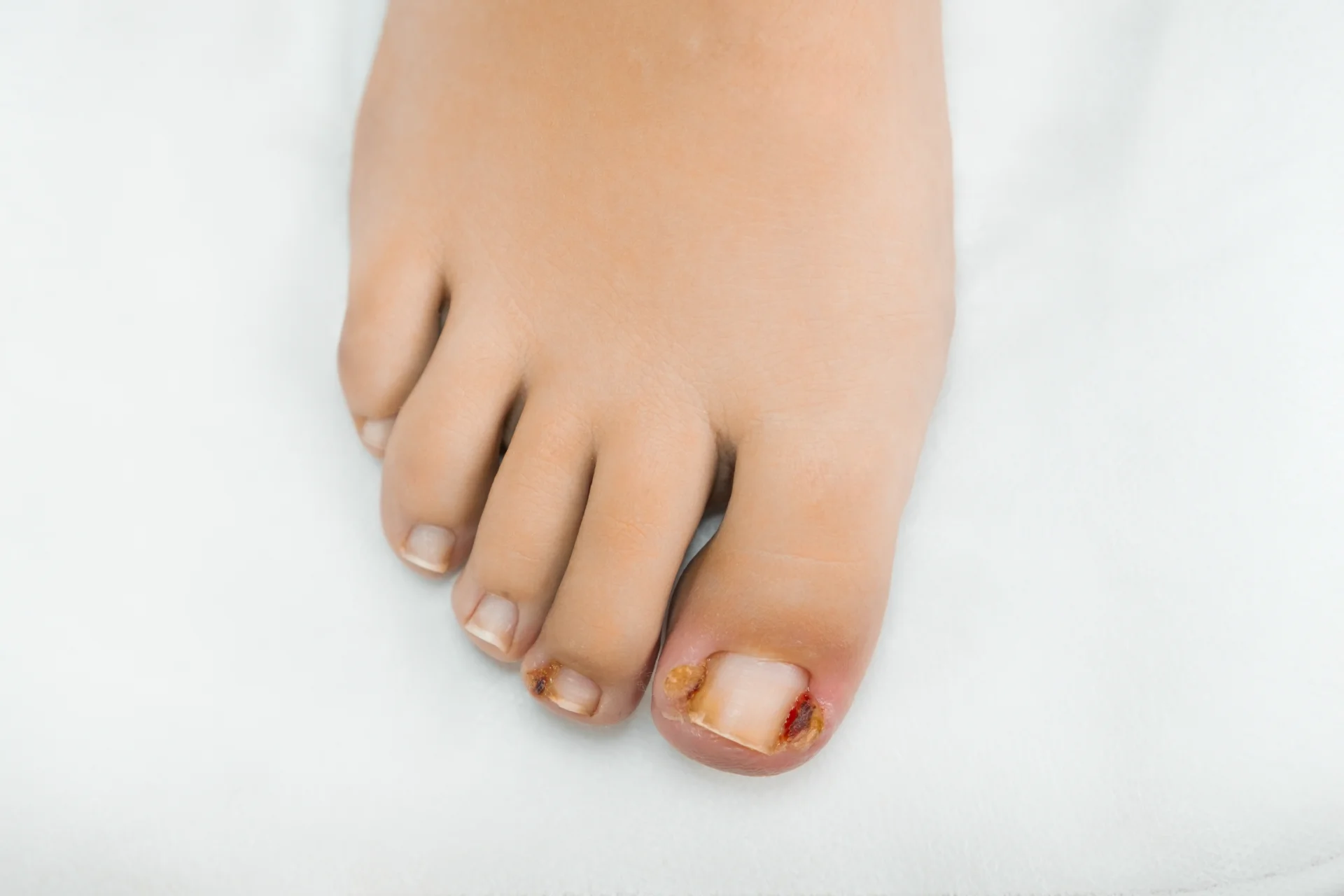
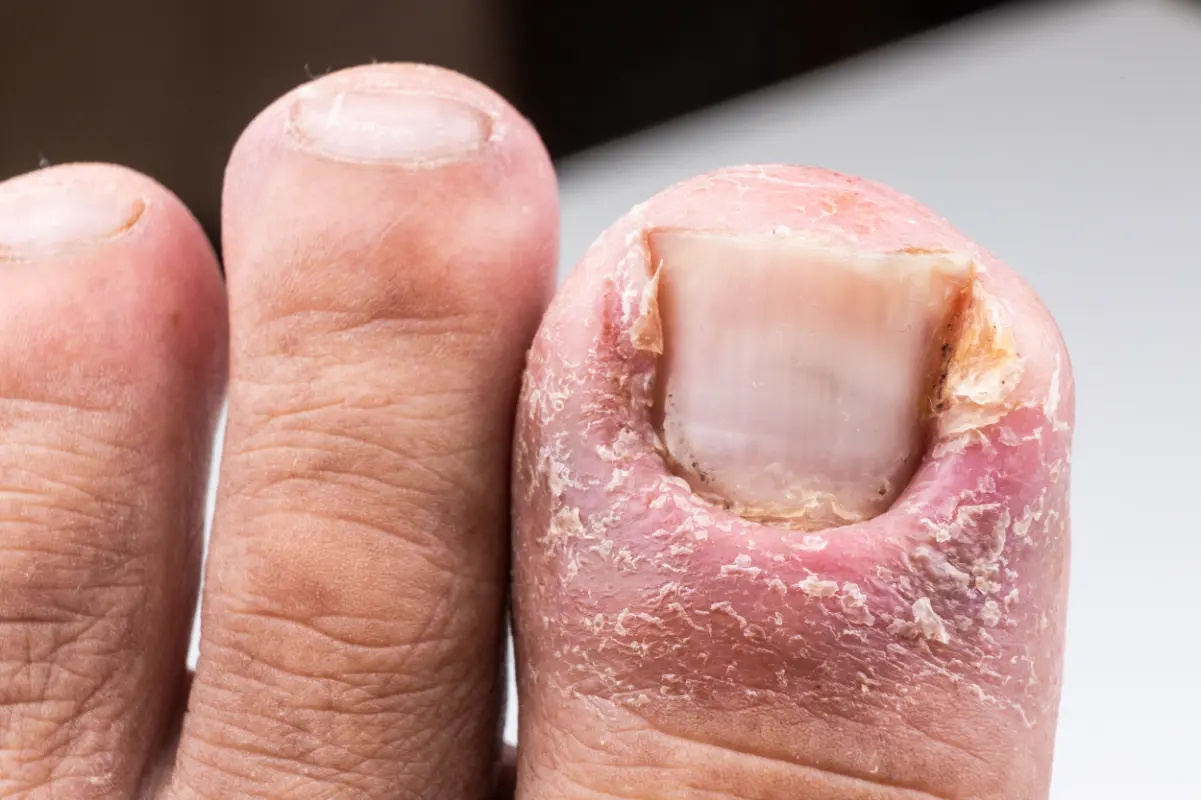
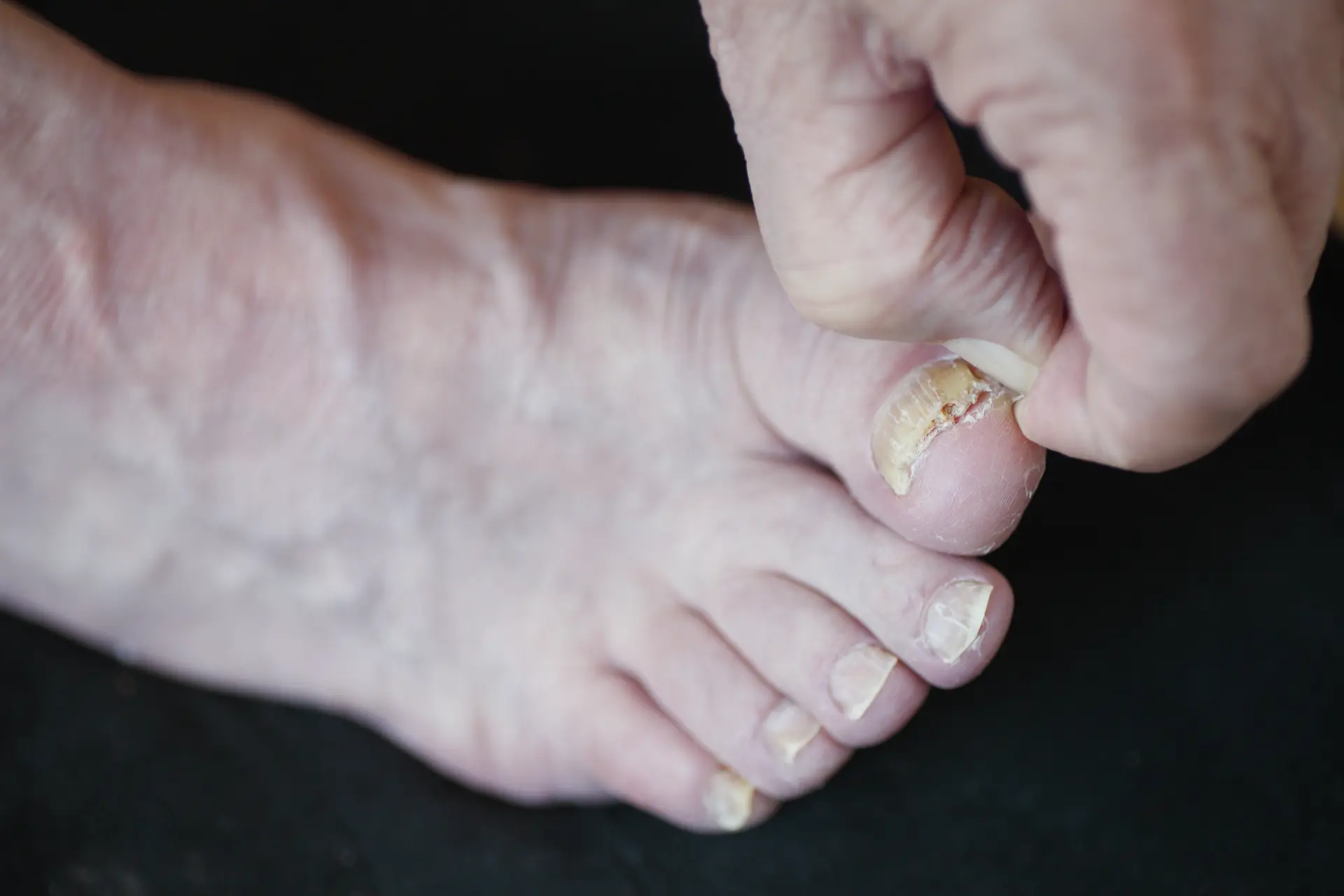
An ingrowing toenail (also known as an ingrown toenail) occurs when the edge of the nail grows into the surrounding skin, causing pain, redness, swelling, and sometimes infection. It most commonly affects the big toe but can occur on any toenail.
At Sussex Total Foot Care, we provide expert assessment and treatment for ingrowing toenails, from conservative care to permanent nail surgery where required. Our aim is to relieve your pain, treat any infection, and help prevent the problem from returning.
What Is an Ingrowing Toenail?
An ingrowing toenail develops when the side of the nail presses into or pierces the skin. This causes irritation and inflammation, and if bacteria enter the area, an infection can develop.
Without treatment, an ingrowing toenail can become increasingly painful and may make walking, exercising, or wearing shoes uncomfortable.
What Causes Ingrowing Toenails?
There are several reasons why an ingrowing toenail may develop, including:
- Cutting toenails too short or rounding the corners
- Tight or poorly fitting footwear
- Injury or trauma to the toe
- Naturally curved or involuted nails
- Thickened toenails
- Excessive sweating
- Repeated pressure from sport or physical activity
- A family tendency towards ingrowing nails
Sometimes, several of these factors contribute to the problem.
Symptoms
You may experience:
- Pain along one or both sides of the toenail
- Redness and swelling around the nail
- Tenderness when wearing shoes or walking
- Warmth around the affected toe
- Bleeding or overgrowth of skin
- Pus or discharge if the nail becomes infected
- Difficulty carrying out normal daily activities due to pain
If left untreated, the condition may worsen and become more difficult to manage.
How Are Ingrowing Toenails Diagnosed?
A podiatrist can usually diagnose an ingrowing toenail during a clinical examination. We will assess the severity of the condition, check for signs of infection, and discuss any factors that may be contributing to the problem.
This allows us to recommend the most appropriate treatment for your individual needs.
Professional Treatment
Treatment depends on the severity of the ingrowing toenail and whether infection is present.
Your podiatrist may recommend:
- Careful removal of the offending section of nail
- Reducing pressure and relieving discomfort
- Cleaning and dressing the affected toe
- Advice on nail cutting and footwear
- Ongoing podiatry care for recurring problems
For persistent or repeatedly recurring ingrowing toenails, nail surgery may be the most effective long-term solution.
Nail Surgery
Nail surgery is a minor procedure performed under local anaesthetic to permanently treat recurrent ingrowing toenails.
Depending on your condition, we may recommend:
- Partial nail avulsion (removal of one edge of the nail)
- Total nail avulsion (removal of the entire nail in selected cases)
- Application of a chemical to prevent the problematic section of nail from regrowing
The procedure is highly successful and is carried out in the clinic without the need for a hospital visit. Most patients return to normal daily activities within a few days, although healing usually takes several weeks.
When Should You See a Podiatrist?
You should arrange an appointment if:
- Your toe is painful, swollen, or red.
- There is bleeding or discharge.
- The problem keeps returning.
- You suspect the nail has become infected.
- Home treatment has not helped.
- You have diabetes, poor circulation, or reduced sensation in your feet.
People with diabetes or circulatory problems should avoid attempting to treat an ingrowing toenail themselves, as even a small wound can lead to more serious complications.
Ingrown Toenail FAQs
Can I treat an ingrown toenail at home?
Gentle care such as warm salt water soaks and comfortable footwear can help mild cases, but you should not try to dig out the nail yourself, as this often makes things worse. If it is painful or not improving, see a podiatrist.
Is ingrown toenail surgery permanent?
When we treat the nail bed with phenol during surgery, the treated edge is very unlikely to grow back, making it a permanent solution for most people.
How can I prevent ingrown toenails?
Cut nails straight across rather than curved, avoid cutting them too short, and wear shoes with enough room at the toes.
Book an appointment in Worthing
Routine treatment is not usually painful and most patients find it relieves discomfort. If a problem is tender, we work gently and talk you through each step.

Book an Appointment in Worthing
Arrange your appointment online through our booking system or contact the clinic.