
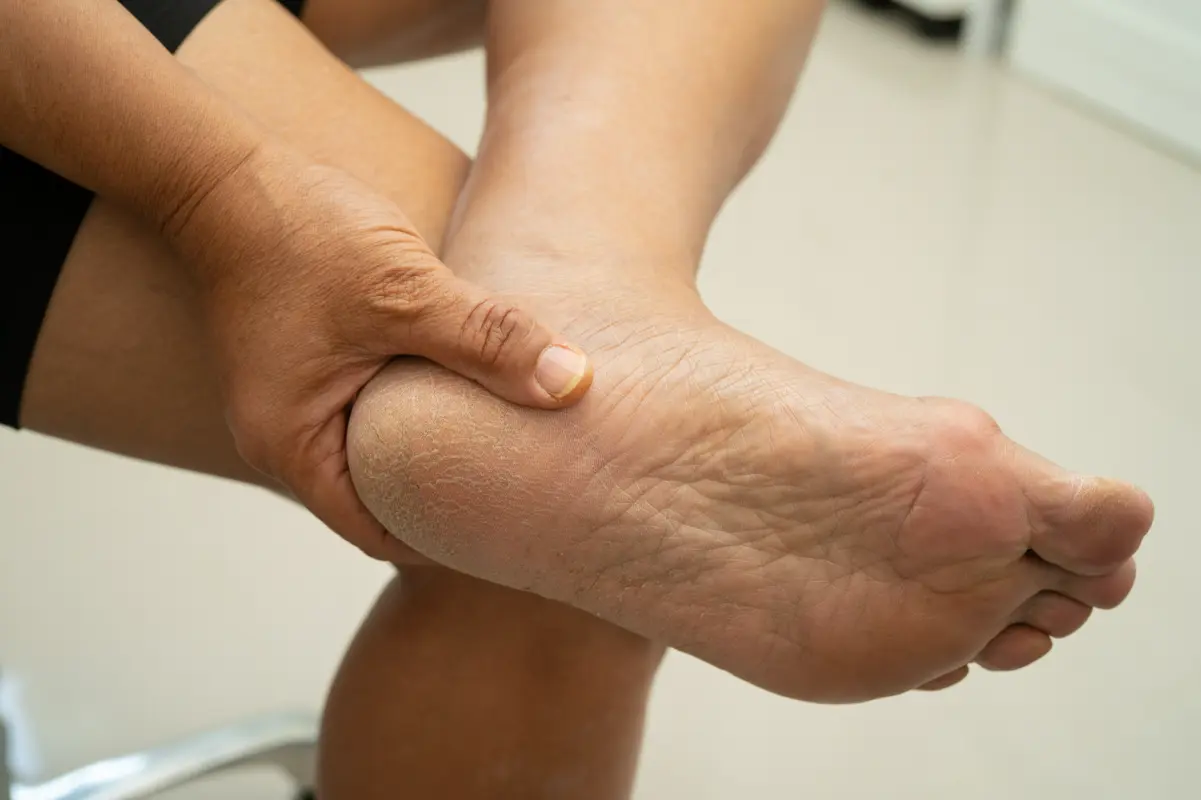
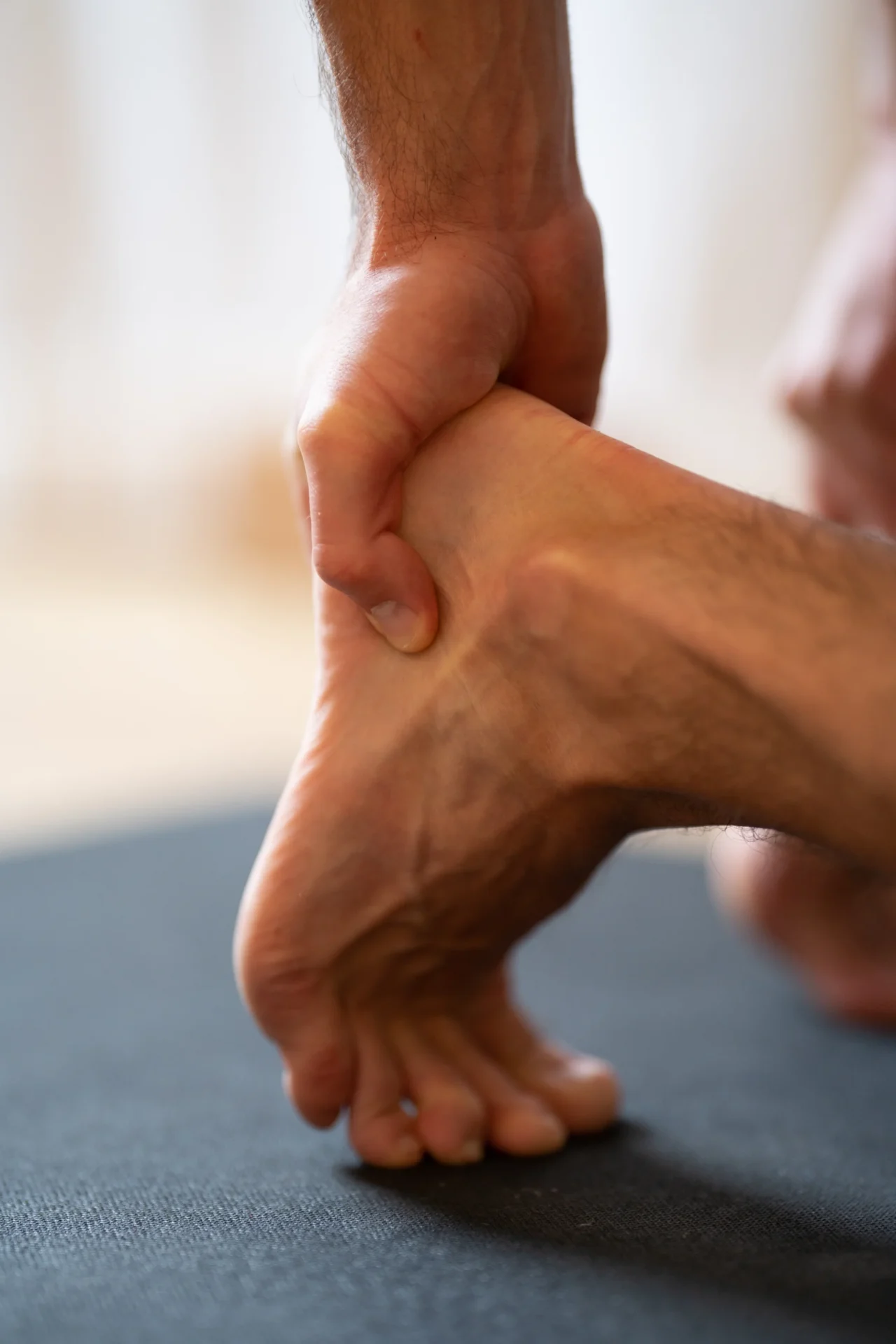
Heel Pain
Heel pain is one of the most common foot problems we see at Sussex Total Foot Care. Whether your pain is worse first thing in the morning, develops after long periods of standing, or limits your ability to exercise, our experienced podiatrists can help identify the cause and provide effective treatment.
Based in Worthing, we offer comprehensive assessments and evidence-based treatment plans to relieve heel pain, restore mobility, and help prevent your symptoms from returning.
What Causes Heel Pain?
The heel absorbs significant forces every time you walk or run, making it vulnerable to injury and overuse.
Common causes of heel pain include:
- Plantar fasciitis
- Plantar fascia irritation or degeneration
- Heel fat pad syndrome
- Achilles tendinopathy
- Heel bursitis
- Stress fractures
- Nerve irritation or entrapment
- Sever’s disease (heel pain in children)
- Arthritis
- Tight calf muscles
- Biomechanical abnormalities affecting foot function
Although plantar fasciitis is the most common cause of heel pain, many other conditions can produce similar symptoms. An accurate diagnosis is essential to ensure the correct treatment.
Symptoms of Heel Pain
Heel pain can feel different depending on its cause. You may experience:
- Sharp pain under the heel when taking your first steps in the morning
- Pain after sitting for long periods
- Discomfort during or after exercise
- Pain at the back of the heel
- Tenderness when pressing on the heel
- Swelling around the heel
- Stiffness in the foot or ankle
- Pain that gradually worsens throughout the day
- Difficulty walking or standing for long periods
If your heel pain follows a significant injury or you are unable to bear weight, you should seek urgent medical assessment.
How We Diagnose Heel Pain
At Sussex Total Foot Care, we carry out a thorough assessment to determine exactly what’s causing your heel pain.
Your appointment includes:
- A detailed discussion about your symptoms
- Medical and activity history
- Assessment of your footwear
- Examination of the foot and ankle
- Assessment of calf muscle flexibility
- Biomechanical and gait analysis
- Identification of areas of tenderness and inflammation
Where necessary, we may recommend further investigations such as ultrasound, X-rays, or MRI scanning to confirm the diagnosis.
Heel Pain Treatments
Treatment is always tailored to the underlying cause of your symptoms.
Your personalised treatment plan may include:
Biomechanical Assessment
Understanding how your feet function helps identify abnormal movement patterns that contribute to heel pain.
Orthotic Insoles
Custom or prefabricated orthoses may reduce pressure on the heel, support the plantar fascia, and improve foot mechanics.
Stretching and Strengthening Exercises
A structured rehabilitation programme can improve flexibility, strengthen supporting muscles, and reduce strain on the heel.
Footwear Advice
Supportive footwear plays an important role in reducing stress on the heel and improving comfort during everyday activities.
Activity Modification
Temporary changes to work, sport, or exercise may allow healing while maintaining overall fitness.
Long-Term Management
For persistent or recurring heel pain, we provide ongoing management strategies to reduce the likelihood of future flare-ups.
Why Choose Sussex Total Foot Care?
Patients across Worthing and West Sussex choose Sussex Total Foot Care because we provide:
- HCPC-registered podiatrists
- Thorough assessments and accurate diagnosis
- Evidence-based treatments
- Personalised rehabilitation programmes
- Expert biomechanical assessments
- Friendly, patient-centred care
- Clear advice to help prevent recurrence
Our goal is to treat the cause of your heel pain—not just the symptoms—so you can return to walking comfortably and staying active.
When Should You See a Podiatrist?
Arrange an assessment if:
- Heel pain has lasted more than one to two weeks
- Your pain is affecting walking, work, or exercise
- The pain is getting worse
- Home treatments have not improved your symptoms
- You experience recurring heel pain
- You have diabetes and develop heel pain or a wound
Early treatment often leads to faster recovery and can help prevent long-term problems.